

4
апреляWhat Is The Reason Adding A Key Word To Your Life's Journey Will Make The Change
Understanding the Process of Purchasing a Driver's License
Obtaining a driver's license is a significant turning point that marks a person's capability to operate a motor car legally. While the term "purchase" might suggest an easy deal, the reality is that obtaining a driver's license includes a series of actions, tests, and requirements developed to guarantee public security and road proficiency. This short article intends to supply a comprehensive guide to the process of acquiring a driver's license, highlighting the essential steps, typical requirements, and regularly asked questions (FAQs) to assist aspiring chauffeurs navigate the procedure efficiently.
Actions to Obtain a Driver's License
Identify Eligibility
- Age Requirements: Most countries have minimum age requirements for obtaining a driver's license. In the United States, for example, the minimum age is usually 16 for a learner's license and 18 for a full license. Nevertheless, these can vary by state.
- Residency Requirements: Applicants should typically be locals of the state or country where they are applying for the license.
- Legal Status: In many places, candidates should be legal residents or citizens.
Take a Written Test
- Study the Driver's Manual: Before taking the composed test, it is essential to familiarize yourself with the driver's handbook, which includes guidelines of the roadway, traffic signs, and safe driving practices.
- Practice Tests: Many states and countries provide practice tests online to help you prepare for the real exam.
- Test Day: On the test day, bring all required files, such as evidence of identity, residency, and date of birth. The test generally consists of multiple-choice concerns.
Obtain a Learner's Permit
- Documents Required: Typically, you will need to offer proof of identity, residency, and date of birth. Some places also require proof of enrollment in a driver's education course.
- Charges: There is typically a cost for the student's permit, which can vary by area.
- Constraints: A student's authorization typically comes with constraints, obtenir le acheter un permis de conduire internationalpermis de conduire français en ligneéchange permis de conduire france français (https://forum.vashdom.ru/proxy.php?link=https://licencefrancexpress.com) such as driving only with a certified grownup over a specific age in the front seat or not driving during specific hours.
Complete Driver's Education
- Classroom Instruction: Most states need a particular number of hours of classroom guideline, which covers topics such as traffic laws, safe driving practices, and the mechanics of driving.
- Behind-the-Wheel Training: In addition to classroom guideline, many locations require a specific number of hours of behind-the-wheel training with a certified instructor.
Log Driving Hours
- Supervised Driving: With a learner's license, you will need to log a particular variety of monitored driving hours. The required variety of hours can differ by state, however it is typically between 50 and 100 hours.
- Logging Hours: Keep a log of your driving hours, consisting of the date, time, and conditions of each drive. Some states require this log to be signed by a parent or guardian.
Take a Driving Test
- Arranging the Test: Once you have actually completed the needed driving hours, you can arrange your driving test. This is usually done through the Department of Motor Vehicles (DMV) or a comparable federal government agency.
- Test Preparation: Practice driving in various conditions to ensure you are well-prepared for the test. Some states use practice tests or test info on their sites.
- Test Day: On the test day, bring your learner's permit, proof of conclusion of driver's education, and any other required files. The test will assess your capability to safely run a vehicle, follow traffic laws, and handle different driving circumstances.
Pass a Vision Test
- Vision Screening: Most driving tests include a vision screening to guarantee that you satisfy the minimum vision requirements for driving.
- Restorative Lenses: If you need corrective lenses to satisfy the vision requirements, you will require to use them throughout the test and while driving.
Pay for the License
- Fees: There is usually a cost for the driver's license, which can differ by state or nation. This cost covers the expense of processing your application and issuing the license.
- Payment Methods: Fees can generally be paid by money, credit card, debit card, or check.
Get Your Driver's License
- Short-lived License: Immediately after passing the driving test, you will get a short-term driver's license. This is normally a piece of paper that stands for a short period, such as 30 to 60 days.
- Long-term License: Your long-term driver's license will be mailed to you within a couple of weeks. It is very important to inspect that all the info on the license is proper.
Common Requirements for a Driver's License
- Evidence of Identity: A valid government-issued ID, such as a passport or birth certificate.
- Evidence of Residency: An energy expense, lease arrangement, or other official file that reveals your existing address.
- Evidence of Date of Birth: A birth certificate or passport.
- Social Security Number (SSN): In the United States, you might need to offer a Social Security number.
- Completion of Driver's Education: Proof that you have completed the required number of hours of class and behind-the-wheel training.
- Driving Log: A log of your supervised driving hours, signed by a moms and dad or guardian if needed.
- Passing Scores on Written and Driving Tests: You must attain the needed passing score on both the written and driving tests.
Frequently Asked Questions (FAQs)
Q: Can I get a driver's license if I am under 18?
- A: In lots of states, you can acquire a student's permit at 16 and a full license at 18. Nevertheless, some states have finished licensing programs that enable younger motorists to obtain a restricted license with additional requirements, such as monitored driving hours and a curfew.
Q: What documents do I need to give the DMV?
- A: You will generally require to bring:
- Proof of identity (e.g., passport, birth certificate)
- Proof of residency (e.g., utility expense, lease agreement)
- Proof of date of birth (e.g., birth certificate)
- Social Security number (if suitable)
- Completed driver's education course (if needed)
- Driving log (if needed)
Q: How long does it take to get a driver's license?
- A: The process can differ depending on your location and the number of driving hours required. Typically, it can take a number of months from the time you begin studying the driver's handbook to the time you get your irreversible license.
Q: What if I fail the driving test?
- A: If you fail the driving test, you can usually retake it after a quick waiting duration, which differs by place. It is a great concept to practice more and recognize locations where you require improvement before retaking the test.
Q: Can I utilize a driver's license from another state or nation in my new state?
- A: In the United States, the majority of states have a reciprocity contract that enables you to transfer your driver's license from another state if you move. Nevertheless, you will need to satisfy the new state's requirements, which might consist of taking a vision test or a written test. If you are moving from another country, you might need to take both the composed and driving tests to acquire a license in your new state.
Q: Is there a distinction between a student's permit and a provisionary license?
- A: Yes, a student's authorization enables you to drive just under supervision, while a provisionary license (or intermediate license) allows you to drive separately with particular limitations, such as a curfew or limits on the variety of travelers.
Q: What occurs if I am caught driving without a license?
- A: Driving without a license is illegal and can lead to fines, license suspension, or even arrest. If you are captured, you might likewise need to pay extra charges and total additional training to obtain your license.
Q: Can I get a driver's license if I have a special needs?
- A: Yes, lots of states and nations offer unique lodgings for individuals with impairments. These might include modified vehicles, extended test times, or other assistive measures. You will require to contact your regional DMV for particular info and requirements.
Tips for a Smooth Application Process
- Start Early: Begin studying the driver's handbook and practicing driving as quickly as you are qualified to make an application for a student's permit.
- Stay Calm: Nerves can impact your performance on the driving test. Practice deep breathing and relaxation methods to assist you remain calm.
- Be Prepared: Bring all required files to your DMV visit to avoid delays.
- Follow Instructions: During the driving test, follow the inspector's instructions carefully and avoid making abrupt or unpredictable motions.
- Retake the Test if Necessary: If you do not pass the test, utilize the feedback to enhance and retake the test with confidence.
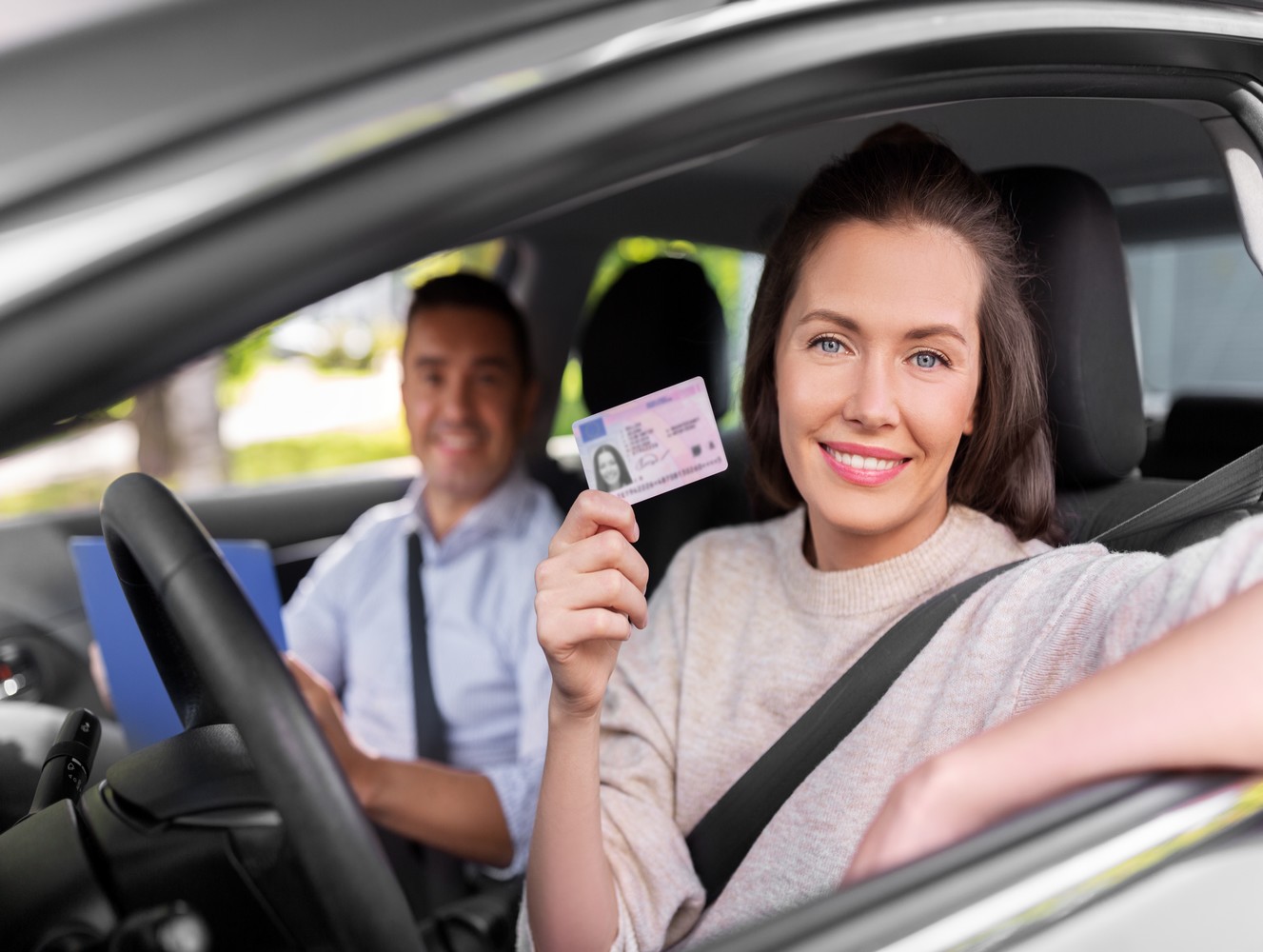
Getting a driver's license is a journey that requires dedication, preparation, and a desire to follow the rules. While it may appear like a long and complicated procedure, the steps are in place to ensure that drivers are qualified and safe on the road. By understanding the requirements, preparing completely, and remaining patient, you can effectively navigate the procedure and become a licensed driver. Keep in mind, a driver's license is an opportunity, and with it comes the duty to drive securely and responsibly.
Additional Resources
- Driver's Manuals: Available online from your state's DMV or federal government transport department.
- Practice Tests: Many sites use free practice tests to help you get ready for the composed exam.
- Driver's Education Courses: Offered by schools, community centers, and private driving schools.
- DMV Websites: Check your regional DMV website for specific requirements and actions for acquiring a driver's license in your area.
By following these steps and using the available resources, aspiring motorists can make sure a smooth and successful journey to getting their driver's license.

Отзывы